

The Evolution and Significance of British Horse Racing: Beyond GamStop
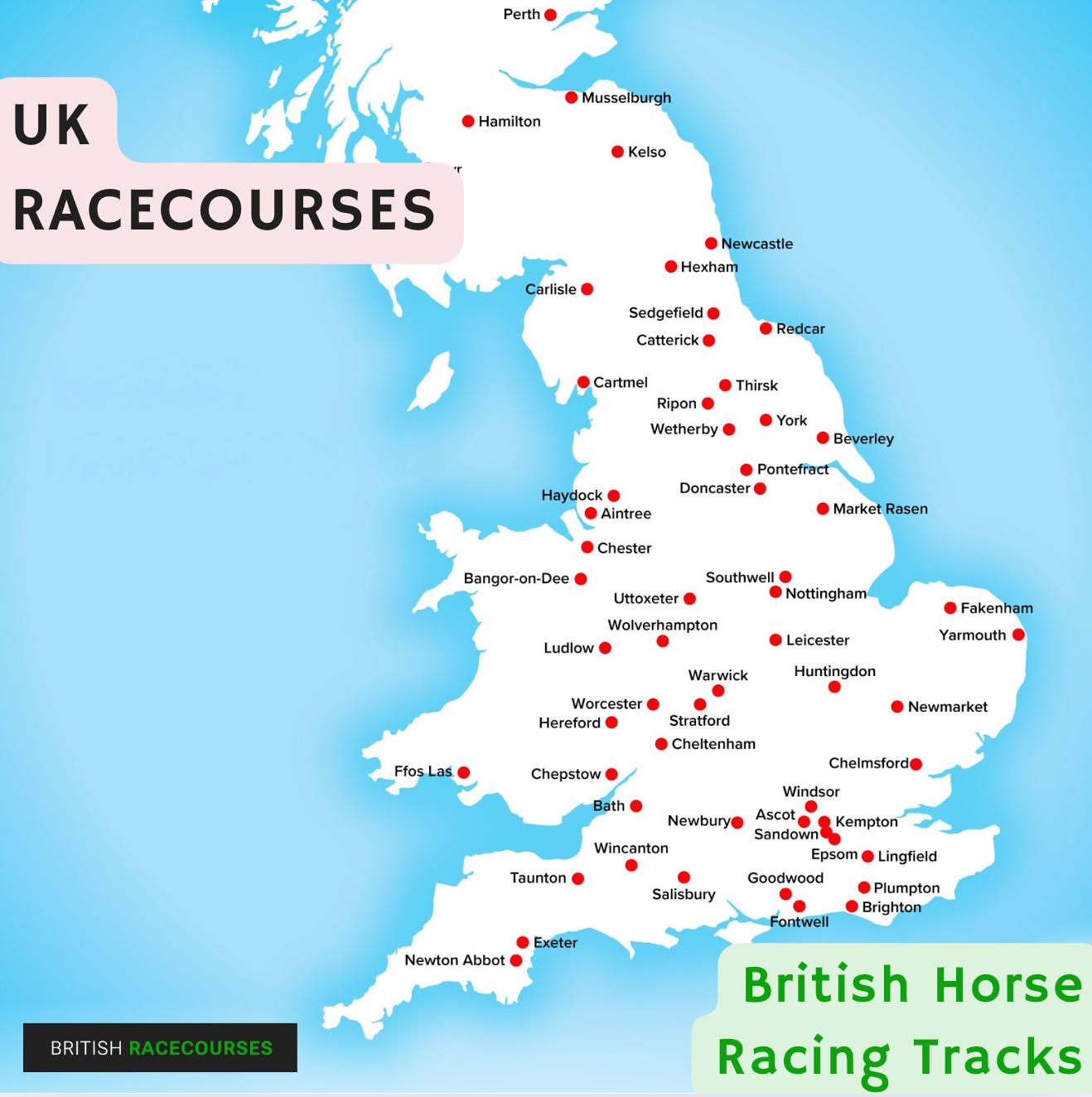
British horse racing is a sport steeped in tradition and history, captivating audiences for centuries. It stands as one of the most prestigious equestrian activities in the world, attracting thousands of spectators and bettors alike, all eager to witness some of the finest horses and jockeys in action. As the racing season unfolds, it is crucial to understand not just the sport itself, but the broader context in which it operates, especially in relation to betting. For those looking for a different approach to wagering, British horse racing not on GamStop UK horse racing not on GamStop offers an alternative to traditional platforms. This article delves into the evolution of British horse racing, its significant role in society, and the challenges it faces amid regulatory changes.
A Brief History of British Horse Racing
The origins of horse racing in Britain can be traced back to at least the 16th century. Initially, races were informal and took place on the common land, but as the sport gained popularity, formal racing began to take shape. The establishment of the Jockey Club in 1750 was a pivotal moment, helping to regulate the sport and set rules, paving the way for the first official horse races. Over the years, iconic races have emerged, such as the Epsom Derby and The Grand National, each contributing to the rich tapestry of British horse racing.
The Significance of Horse Racing in British Culture
Horse racing is more than just a sport in Britain; it is a cultural phenomenon. Events like Royal Ascot and Cheltenham Festival are not just sporting occasions but social events, drawing attendees from all walks of life. The glamorous atmosphere often features fashion, fine dining, and an air of exclusivity. This intertwining of sport and society underscores how integral horse racing is to British heritage.
Economic Impact of Horse Racing
The economic impact of British horse racing is substantial. The industry supports thousands of jobs, from trainers and jockeys to stable hands and hospitality professionals. Additionally, the sport generates significant revenue through betting and tourism. According to estimates, British horse racing contributes billions of pounds to the economy annually, showcasing its importance beyond mere entertainment.
Challenges Facing British Horse Racing
Despite its rich history and economic significance, British horse racing faces multiple challenges. One major concern is the increasing competition from other forms of entertainment, which can divert attention and resources away from traditional racing events. Furthermore, regulatory issues, particularly around gambling, have influenced how the sport operates, pushing some bettors toward platforms that sidestep traditional regulations.
Regulating Betting in Horse Racing
The regulation of betting is a crucial element of horse racing’s infrastructure. In recent years, the UK Gambling Commission has implemented measures aimed at protecting consumers and promoting responsible gambling. However, some bettors are seeking alternatives and turn to UK horse racing not on GamStop options, which can provide a different experience apart from regulated betting environments.

Future Prospects of British Horse Racing
The future of British horse racing appears to hinge on its ability to adapt to changing social attitudes and regulatory landscapes. Promoting transparency, ensuring the welfare of the animals, and embracing digital advancements will be essential for sustaining interest. Moreover, enhancing the viewing experience for spectators and bettors alike—both at the racetrack and online—could play a pivotal role in rejuvenating the sport.
Promoting Responsible Betting
Within the betting sphere, there is a growing emphasis on promoting responsible gambling practices. Racing organizations and regulatory bodies are working collectively to ensure participants are informed and protected. Education around the risks of gambling and providing support for those who may develop issues is essential for the sport’s integrity and longevity.
Conclusion
As we explore the vibrant world of British horse racing, it becomes evident that the sport is deeply embedded in British culture and society. Its historical significance, economic contributions, and cultural relevance highlight why horse racing remains a beloved pastime. Moving forward, addressing challenges while embracing change—whether through innovative betting options or enhanced regulations—will be pivotal for the sport’s enduring legacy. The combination of tradition and modernity will undoubtedly shape the future of British horse racing, ensuring it remains a fixture on the social and sporting calendar for generations to come.