

The Evolution of Android Versions: A Comprehensive Overview
The Android operating system has undergone remarkable transformations since its inception, continually evolving to meet the needs of users and manufacturers alike. In this comprehensive overview, we will explore the development of Android version, examining their features, innovations, and the impact they’ve had on the smartphone ecosystem.
The Birth of Android: Cupcake to Gingerbread
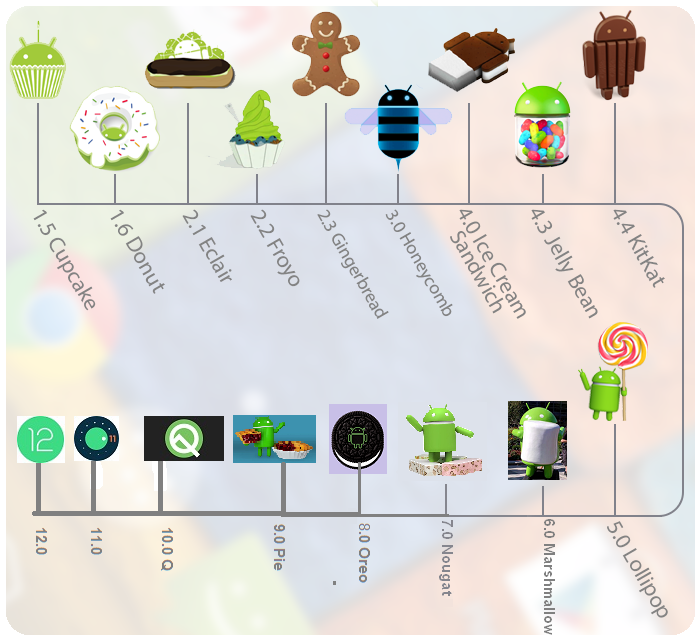
Android was unveiled to the world in 2007, with its first official version, Android 1.5 Cupcake, launched in April 2009. This version introduced several significant features such as an on-screen keyboard and third-party app support. As manufacturers began adopting Android, further iterations quickly followed.
Android 2.0 Eclair emerged later in 2009, bringing Google Maps Navigation and support for multiple accounts. By 2010, Android 2.3 Gingerbread polished the interface and improved performance, marking a significant shift in user experience. These early versions laid the groundwork for what Android would become in the years to follow.
The Honeycomb Era: Tablets Take Center Stage
In early 2011, Android 3.0 Honeycomb was released, targeting tablets specifically. It introduced a new holographic user interface that utilized larger screens, allowing for more complex layouts and multitasking features. This was a pivotal moment for Android, as it marked its serious venture into the tablet market.
Though Honeycomb was not designed for smartphones, it paved the way for further innovations. It was followed by the hugely successful Android 4.0 Ice Cream Sandwich later that year, which unified the smartphone and tablet experiences. Ice Cream Sandwich introduced features such as Face Unlock and a refreshed user interface that emphasized simplicity and usability.
Jelly Bean and KitKat: Enhancements and Optimization
Android 4.1 Jelly Bean, released in mid-2012, focused on performance and usability improvements, introducing Project Butter for smoother animations and enhanced notifications. It also came with Google Now, setting the foundation for future advancements in artificial intelligence and personal assistants.
In 2013, Android 4.4 KitKat was launched, further refining the user interface with a more minimalist design. KitKat emphasized performance on lower-end devices and improved battery life, broadening the reach of Android in developing markets.
The Lollipop & Marshmallow Revamps
The next significant version, Android 5.0 Lollipop, was released in late 2014. This version introduced Material Design, a bold, colorful UI style that guided developers in creating visually appealing apps. Lollipop also improved notifications and multitasking capabilities, making it one of the most influential versions.
Subsequently, Android 6.0 Marshmallow, released in 2015, focused on user control and permission management. It introduced Doze Mode for battery conservation and allowed users to set app permissions manually, providing more transparency regarding data usage.

Nougat & Oreo: A Focus on Performance and Functionality
Android 7.0 Nougat, launched in 2016, brought split-screen multitasking and various enhancements for notifications, along with support for the Vulkan API, improving gaming performance significantly. This version was a hit among gamers and multitaskers alike.
In 2017, Android 8.0 Oreo refined the user experience further, optimizing speed and battery life. It introduced features like Picture-in-Picture mode, notification dots, and enhanced security measures through Google Play Protect. These features made Android devices more attractive to both consumers and developers.
Pie and Beyond: The Latest Trends and Features
Android 9.0 Pie, released in 2018, brought adaptive battery functionality and a gesture-based navigation system. These features demonstrated Google’s commitment to using machine learning to improve the user experience, making devices smarter and more efficient.
Continuing the trend, Android 10 introduced Dark Mode, a much-desired feature for many users. It also provided improved privacy settings and was the first version to drop dessert-themed names, moving towards a more straightforward numerical naming system.
Android 11 followed, focusing on communication enhancements with features like chat bubbles and improved device control options. It further emphasized security and privacy with new permissions settings and gave users greater control over how apps accessed their data.
The Future: Android 12 and Beyond
As we approach 2021, the anticipation for Android 12 was palpable. This version promised substantial visual changes with Material You, allowing users to personalize their devices more extensively. Additionally, it aimed to offer improved performance, privacy controls, and better interaction among devices in the connected ecosystem.
Android continues to evolve, with developers and manufacturers adapting to needs and trends in technology. Each version not only brings refinements but also shapes the smartphone landscape, influencing how users engage with technology daily.
Conclusion
The evolution of Android versions showcases the dynamic nature of mobile technology. From its humble beginnings to its current status as the world’s most popular operating system, Android continues to innovate and adapt. As we look towards future releases, one thing is clear: Android will remain at the forefront of mobile technology, continually setting trends and redefining user experiences.